

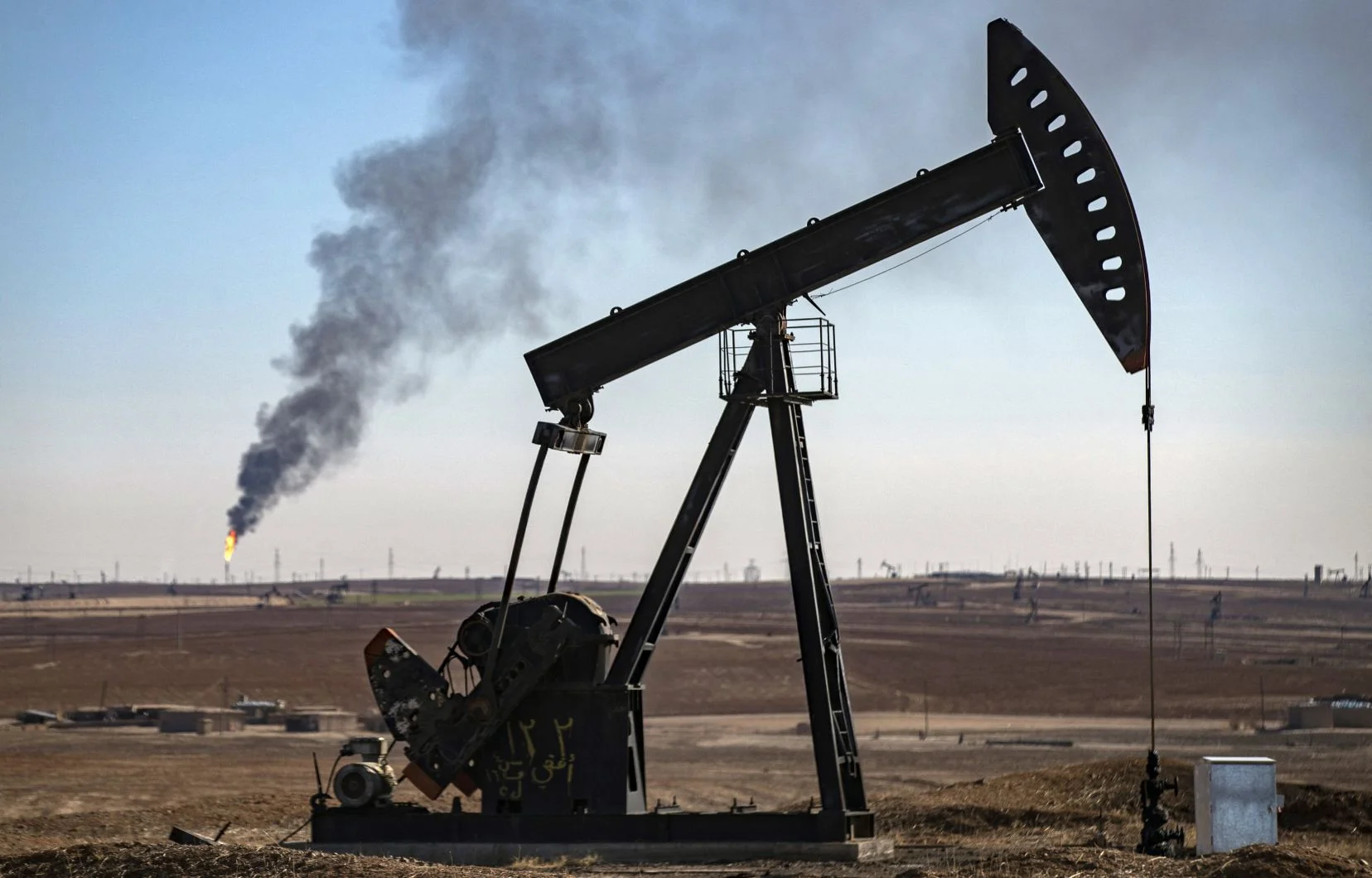
Despite rising tensions and cross-border strikes between Iran and Israel, oil prices have remained surprisingly stable.
In interviews with CNN Economics, experts point to a combination of robust fundamentals and geopolitical containment to explain the market’s calm, casting doubt on predictions of a looming oil shock.
Solid Fundamentals Underpin Market Stability
According to Choeib Boutamine, CEO of RanaDrill Energy, the current calm is supported by two key pillars: ample global supply and the OPEC+ alliance’s readiness to act if disruptions occur. “Brent prices have climbed from $68 to $74 within days due to tensions — a rise of about 7% — but fears of hitting $100 are overblown, especially since oil flows through the Strait of Hormuz remain unaffected,” he said.
Boutamine stresses that strategic reserves and idle production capacity serve as buffers against speculative spikes. He also notes that “OPEC holds substantial spare capacity but is unlikely to flood the market, particularly if a political resolution is within reach.”
Military Strikes With Limited Economic Fallout
Meanwhile, Khaled Al-Awadhi, a consultant at Hawk Energy, underscores the political rather than economic nature of recent strikes. “The Israeli attack mainly targeted high-ranking Iranian military figures,” he explained, pointing out that no strategic oil infrastructure was involved.
Neither Iran nor Israel has sustained damage to critical energy assets, effectively minimizing the risk of supply disruptions.
Steady Supply and Uninterrupted Maritime Flows
Despite hostilities, the Strait of Hormuz remains secure, and oil exports are continuing without interference. Iran has refrained from any action that could obstruct maritime traffic, and major clients like China are already diversifying their sources. “This is a preventive war driven by political and geopolitical motives — not an oil war,” Al-Awadhi emphasized.
OPEC+ Acts as a Shock Absorber
The spare production capacity of OPEC+ remains a key bulwark. Even if Iran’s 3.3 million barrels per day were to go offline, nations like Saudi Arabia and the UAE could quickly step in. “OPEC+ has enough spare production to absorb potential supply shocks,” one analyst noted. The organization continues to gradually increase output, adding to an already well-supplied market.
Global Demand Remains Sluggish
Beyond the regional crisis, broader global trends are having a greater impact: rising inventories, weak demand, and slowing economic activity. According to the IEA, global oil reserves are expected to grow further in 2025, with a projected daily surplus of 800,000 barrels.
In this context, markets remain rational. Brent prices, after briefly reaching $74, have since eased to around $71. A fragile balance between military tensions and oversupply has so far prevented any sustained surge in prices.
A Geopolitical, Not Energy-Driven, War
Experts agree that only a direct hit on oil facilities or a blockade of the Strait of Hormuz could significantly disrupt the current balance. “If either were targeted, OPEC’s maximum capacity would be quickly exhausted and prices could spike sharply. However, that remains unlikely,” Boutamine reassures.
In short, market caution, strong supply buffers, and intact infrastructure have all played a role in keeping oil prices surprisingly steady — even as conflict brews in the background.
